How Is Artificial Intelligence Transforming Biotechnology Research?
Discover how artificial intelligence is transforming biotechnology research through genomics, proteomics, CRISPR gene editing, single-cell analysis, bioinformatics and AI-powered biological discovery.
Artificial intelligence is changing how scientists explore biological systems, interpret molecular data and develop new research approaches. From genomic sequencing and protein structure prediction to single-cell analysis and CRISPR gene editing, AI is creating new opportunities for faster, more integrated and data-driven biotechnology research.
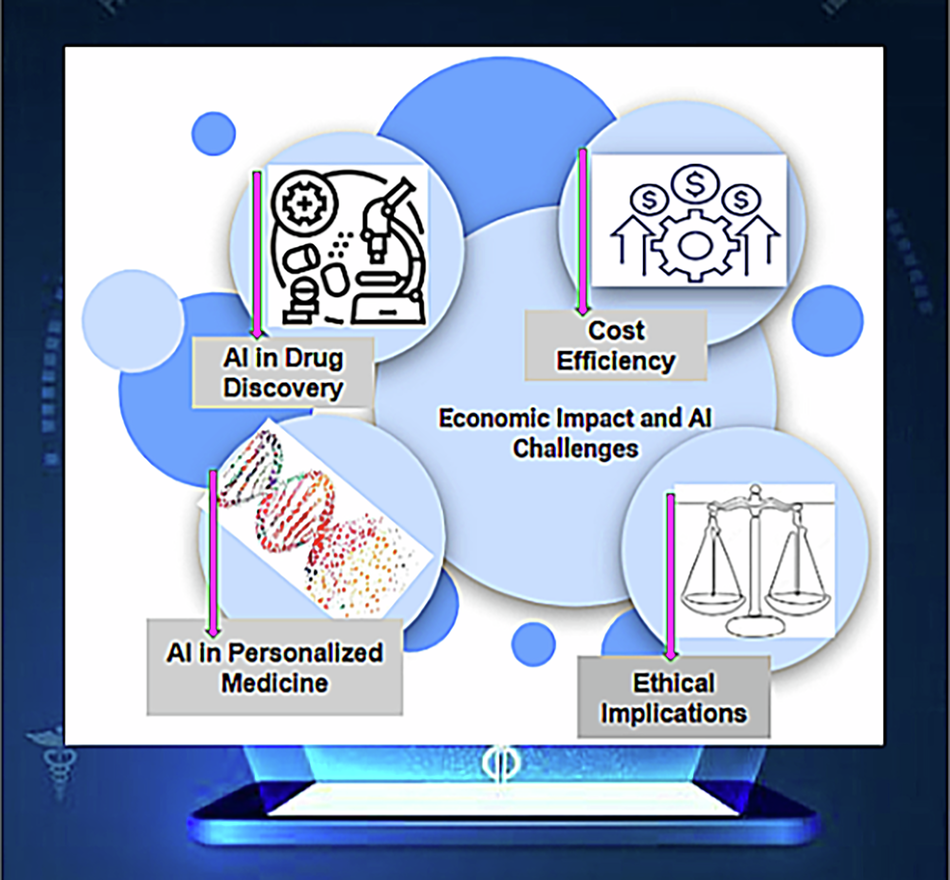
The Growing Connection Between AI and Biotechnology
Biotechnology research generates enormous quantities of information. DNA sequencing, RNA expression profiling, proteomics, cell imaging and molecular experiments produce complex datasets that require advanced analytical methods.
Traditional computational approaches remain essential, but artificial intelligence introduces additional capabilities. Machine learning and deep learning algorithms can recognize patterns, identify relationships between biological variables and generate predictions from large datasets.
Researchers can use these technologies to investigate biological processes, compare molecular profiles, predict protein structures and support the design of experiments.
AI does not replace experimental biology. Instead, it helps researchers extract more information from scientific data, prioritize research questions and connect computational predictions with laboratory validation.
6 Major Applications of AI in Biotechnology Research
Artificial intelligence is becoming increasingly relevant across different areas of life sciences. Its applications extend from molecular sequence analysis to complex cellular models.
1. AI in Genomics and DNA Sequencing
AI algorithms can analyze genomic sequences, identify patterns, support variant interpretation and predict potential regulatory regions. Machine learning models also contribute to gene expression analysis and the integration of genomic datasets.
Research applications: Genome annotation, sequence classification, variant analysis and regulatory genomics.
2. AI in Proteomics and Protein Structure Prediction
Protein research is benefiting from computational models capable of predicting three-dimensional structures, estimating molecular interactions and exploring protein function.
Research applications: Protein structure prediction, protein engineering, interaction analysis and molecular design.
3. AI in Single-Cell RNA Sequencing
Single-cell RNA sequencing generates detailed information about gene expression in individual cells. AI helps researchers process high-dimensional datasets, identify cell populations and investigate cellular heterogeneity.
Research applications: Cell clustering, cell-type annotation, gene expression analysis and single-cell multi-omics.
4. AI and CRISPR Gene Editing
Machine learning models can help evaluate guide RNA candidates, predict editing efficiency and investigate potential off-target effects. These approaches support the optimization of CRISPR-based genome editing research.
Research applications: Guide RNA design, genome editing optimization and gene function studies.
5. AI in Bioinformatics and Biological Data Science
AI-powered bioinformatics combines computational biology, statistics and machine learning to analyze complex biological information. It supports the integration of genomic, transcriptomic and proteomic datasets.
Research applications: Multi-omics analysis, biological data mining, sequence prediction and computational modeling.
6. AI in Molecular Discovery and Experimental Design
AI can help prioritize molecular candidates, predict interactions and explore relationships between molecular structures and biological functions. Generative models are also being investigated for designing new protein and molecular sequences.
Research applications: Molecular screening, protein design, compound prioritization and experimental optimization.
How AI Is Changing Genomic and Multi-Omics Analysis

One of the most significant developments in biotechnology is the integration of artificial intelligence with multi-omics research.
Genomics, transcriptomics, proteomics and metabolomics each provide a different perspective on biological systems. However, understanding how these molecular layers interact requires sophisticated computational approaches.
AI-based models can help integrate information from different biological datasets, identify relationships between molecular features and generate hypotheses about cellular mechanisms.
From biological data to scientific insights
- Genomics: Analyzing DNA sequences and identifying genomic patterns.
- Transcriptomics: Exploring RNA expression and gene regulation.
- Proteomics: Investigating protein abundance, structure and interactions.
- Metabolomics: Identifying patterns in metabolic profiles.
- Spatial biology: Connecting molecular information with its location within tissues.
The combination of these technologies with AI is helping researchers move toward more comprehensive models of biological systems.
Watch: AI in Biology – From Genomics to CRISPR
Discover how artificial intelligence is transforming genomics, proteomics, single-cell technologies, CRISPR gene editing and bioinformatics.
Explore the role of artificial intelligence in modern biotechnology research.
Watch directly on YouTube →Explore how artificial intelligence connects different areas of modern biological research, including genomics, proteomics, single-cell technologies, CRISPR gene editing and bioinformatics.
An overview of how artificial intelligence is contributing to different biotechnology research fields.
Challenges of Using Artificial Intelligence in Biotechnology
Despite its potential, AI in biotechnology research still faces important scientific and technical challenges. Reliable predictions depend on the quality, diversity and relevance of the datasets used to train computational models.
Data Quality and Standardization
Biological datasets may contain missing values, experimental variability, technical noise and differences between research platforms. These factors can influence model performance.
Model Interpretability
Understanding why an AI model produces a particular prediction remains important. Researchers need transparent and scientifically interpretable computational approaches.
Experimental Validation
Computational predictions should be evaluated using appropriate laboratory experiments. AI-generated hypotheses are not automatically confirmed biological findings.
Computational Resources
Large biological datasets and advanced deep learning models can require substantial computing power, storage infrastructure and specialized expertise.
What Is the Future of AI in Biotechnology?
The next generation of biological AI is moving beyond individual prediction tasks toward integrated models capable of working across DNA, RNA, proteins and cellular systems.
Foundation models trained on biological datasets, multimodal AI and virtual cell models are emerging research directions. These approaches aim to connect molecular information with cellular behavior and support more comprehensive computational representations of biological systems.
In the coming years, the integration of AI with sequencing technologies, molecular detection, spatial transcriptomics, protein engineering and computational biology could reshape how scientific questions are investigated.
The future of biotechnology will increasingly depend on combining experimental evidence, advanced analytical tools and interdisciplinary scientific collaboration.
Conclusion: AI Is Becoming an Important Tool in Modern Biological Research
Artificial intelligence is transforming biotechnology by helping researchers analyze complex biological datasets, investigate molecular interactions and explore new scientific possibilities. Its impact can already be seen in genomics, proteomics, single-cell RNA sequencing, CRISPR gene editing and bioinformatics.
However, the real value of AI comes from its integration with experimental research, scientific expertise and reproducible methods. Rather than replacing laboratory science, AI provides additional tools for understanding biological complexity.
As computational technologies continue to advance, artificial intelligence is likely to become an increasingly important component of biotechnology research and life science innovation.
Explore the Future of Biotechnology Research
Discover research resources, molecular biology technologies and scientific solutions supporting modern life science workflows.
Explore Biotechnology Research Resources →Frequently Asked Questions About AI in Biotechnology
1. How is artificial intelligence used in biotechnology?
AI is used to analyze genomic sequences, predict protein structures, interpret biological datasets, support CRISPR research, classify individual cells and improve computational molecular analysis.
2. What is machine learning in biotechnology?
Machine learning is a branch of artificial intelligence that uses algorithms to learn patterns from biological data and make predictions. Applications include gene expression analysis, protein classification and molecular prediction.
3. Can AI accelerate genomic research?
Yes. AI can support genomic sequence analysis, variant interpretation, gene expression profiling and the integration of large-scale genomic datasets.
4. How does AI contribute to protein research?
AI models can predict protein structures, investigate molecular interactions and assist in protein sequence design and functional analysis.
5. What is the relationship between AI and bioinformatics?
Bioinformatics uses computational and statistical methods to study biological information. AI expands these capabilities through machine learning, deep learning and advanced predictive modeling.
6. Will artificial intelligence replace biotechnology researchers?
No. AI supports data analysis and computational predictions, but experimental validation, biological interpretation and scientific decision-making remain essential roles for researchers.
Scientific Reading and Further Research
Explore recent scientific reviews discussing artificial intelligence, genomics, CRISPR and computational biology.
- Artificial Intelligence in Genomics: A Comprehensive Survey – Briefings in Bioinformatics, 2026
- Harnessing Artificial Intelligence to Advance CRISPR-Based Genome Editing Technologies – Nature Reviews Genetics, 2026
- Artificial Intelligence in Bioinformatics: A Survey – Briefings in Bioinformatics, 2025
- Towards Multimodal Foundation Models in Molecular Cell Biology – Nature, 2025